If you’ve ever shopped for a motorsport helmet, you’ll probably have come across terms like FIA, Snell and CMR. These are helmet homologations, and they tell you which recognised safety standards a helmet has been tested and approved to.
The standards do change over time, which can make things confusing when you’re buying a new helmet or checking whether your current one is still suitable. There have been a few important updates for 2026, including the introduction of FIA 8859-2024, Snell SA2025 and a newer FIA karting helmet standard.
The most important thing to remember is that the helmet you need will depend on your championship, age and type of racing. Always check the regulations for your own series before buying.
FIA homologations
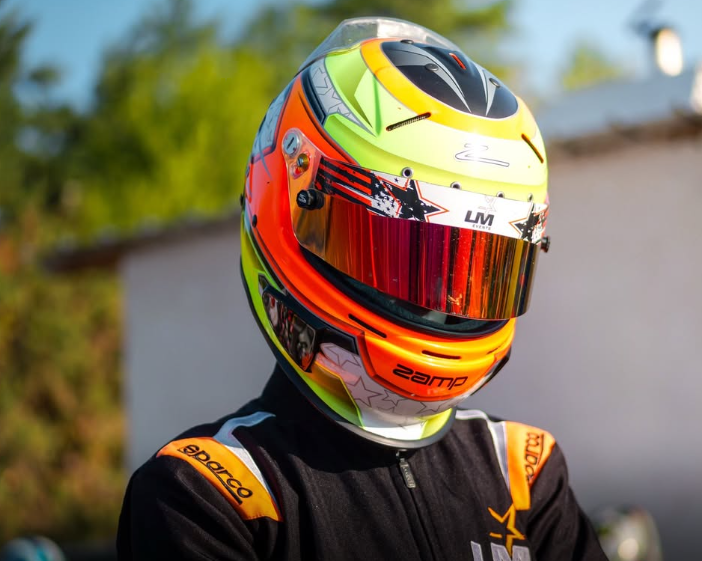
FIA standards are commonly used across race and rally, with FIA 8859-2024 now the latest FIA Premium Helmet standard. You’ll see this approval on several of the newest helmets in the Helmet28 range, including the Zamp RZ-70F and RZ-63F.
Some of these newer helmets also carry Snell SA2025 approval alongside FIA 8859-2024, giving them two recognised homologations.
If you already own an FIA 8859-2015 helmet, there’s no need to panic. This standard is still recognised for Motorsport UK national competition in 2026, so the arrival of FIA 8859-2024 doesn’t automatically make your existing helmet obsolete.
You may also see FIA 8860 standards on higher-level motorsport helmets. These are advanced standards generally found on more specialist and higher-end equipment, rather than the helmets most club-level competitors will be choosing between.
What’s new with Snell?

The one to keep an eye on is Snell SA2015. Motorsport UK currently accepts SA2015 helmets until 31 December 2026, so if your helmet only carries SA2015 approval, you’ll need to check what you require for the 2027 season.
Snell SA2025 came into effect in October 2025 and is now the latest Snell Special Application standard for motorsport helmets. The testing requirements have been tightened compared with SA2020, including tougher impact criteria.
Snell SA2020 is still accepted for Motorsport UK competition, so there’s no need to replace an SA2020 helmet simply because SA2025 has arrived.
It’s also worth checking whether your helmet carries more than one homologation. If one approval expires but the helmet also carries another standard that is still recognised, the remaining valid approval may keep the helmet eligible.
What about karting and junior helmets?

For younger kart racers, Snell-FIA CMR2016 remains one of the standards you’ll regularly see. The Zamp RZ-42Y is CMR2016 approved and designed specifically around younger drivers, including a lighter helmet weight to reduce the load placed on the head and neck.
Motorsport UK continues to list CMR and CMS standards separately for drivers under 15, including Cadet and Bambino competitors, so it’s particularly important to check the rules for the driver’s age and class.
There is also a newer standard called FIA 8878-2024, developed specifically for karting helmets. It now appears within Motorsport UK’s 2026 regulations for National Kart Racing and is starting to appear alongside the more familiar Snell karting standards.
This doesn’t mean CMR2016 has suddenly disappeared. The standards sit within different parts of the regulations, particularly when it comes to younger drivers, so always check what your championship asks for before choosing a helmet.
How do I know which homologation my helmet has?
The homologation label will usually be found inside the helmet, often underneath or behind the lining. Some helmets carry both FIA and Snell labels, so make sure you check for more than one approval.
For Motorsport UK competition, the helmet also needs to be in satisfactory condition and meet the relevant scrutineering requirements. A valid homologation doesn’t override damage, deterioration or anything else that could make the helmet unsafe to use.
Standards will continue to change as new helmet technology and testing requirements are introduced, so it’s always worth checking your championship regulations before the start of a new season.
If you’re buying a new helmet and you’re unsure which homologation you need, have a look through the Zamp helmet range or get in touch with the team. Once you know the requirements for your championship, we can help you find the right option.